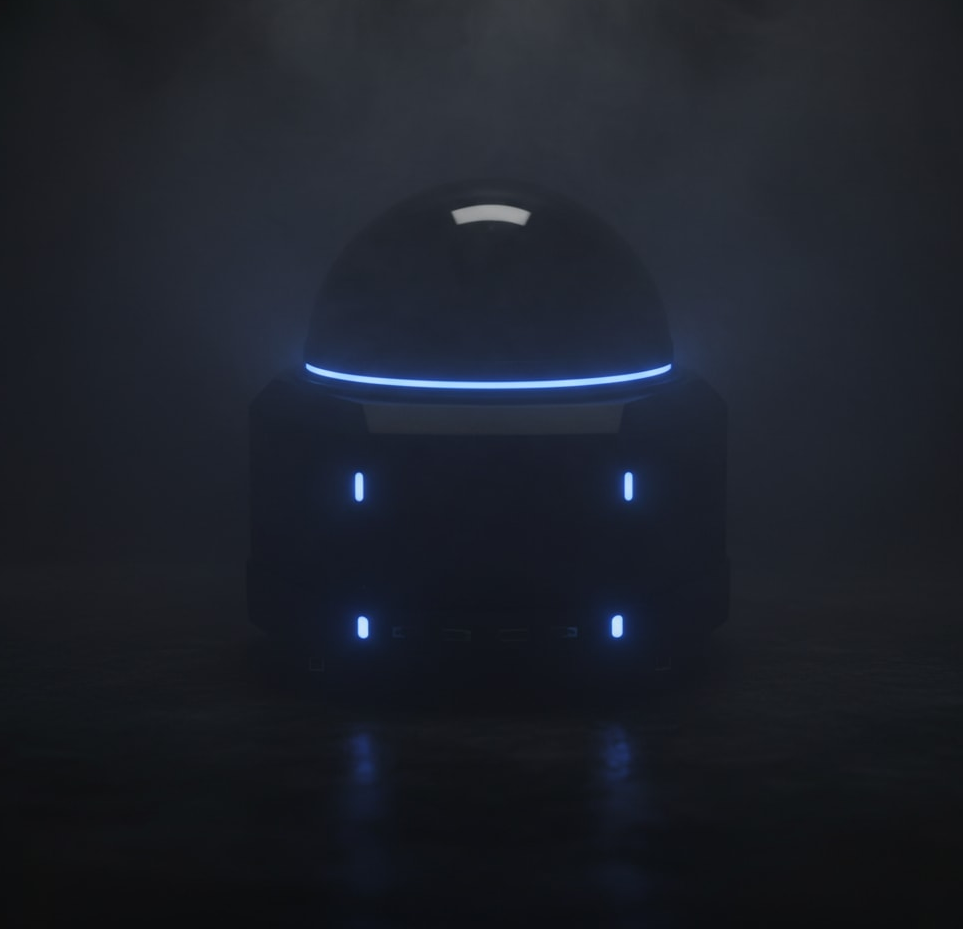
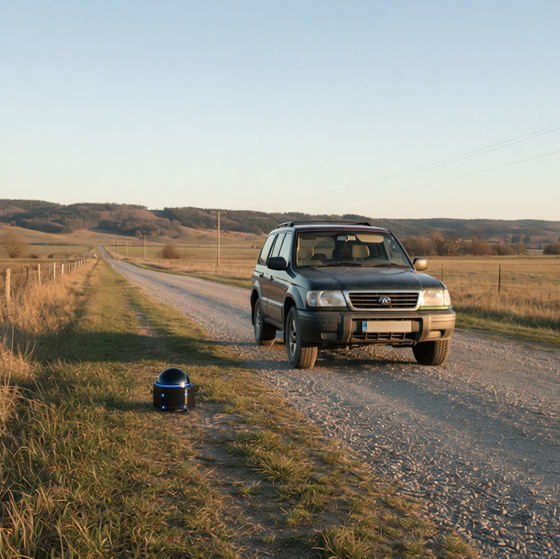
Introducing the multispectral distributed aperture hive (MUDRAH), the future of undetectable, wide-area surveillance. This revolutionary passive system operates without emitting any signals, making it virtually invisible to adversarial detection. It consists of a scalable network of small, low-signature pods, each integrating high-resolution near infrared and thermal infrared sensors. Their minimal footprint allows for discreet deployment to establish persistent watch over even the largest operational areas. Each pod employs advanced Edge AI to autonomously identify objects of interest, while the hive intelligence fuses data across the network to synthesize crystal-clear tracks, overcoming atmospheric blur and delivering unmatched resolution. MUDRAH delivers dominant awareness—scalable, resilient, and impossible to evade.
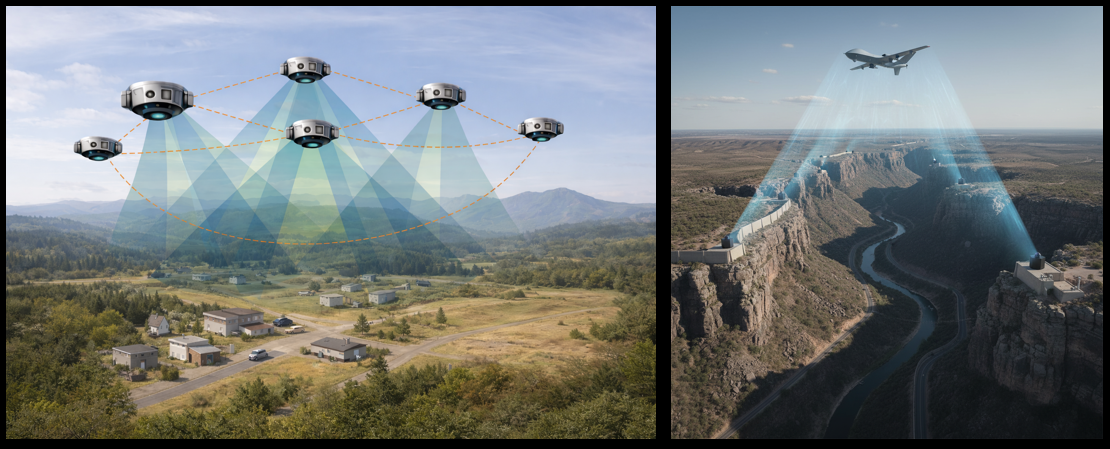
Aerial as well as ground surveillance and reconnaissance
MUDRAH redefines persistent surveillance as a fully passive, cross-domain system. Whether deployed on airborne platforms for wide-area ground surveillance or positioned on the ground to monitor aerial threats, this scalable network of small, low-signature pods fuses near-infrared and thermal infrared data across a distributed aperture to overcome atmospheric distortion and deliver crystal-clear tracking. Each pod performs autonomous threat identification at the edge, while the hive intelligence synthesizes individual detections into precise, uninterrupted tracks across vast operational areas.
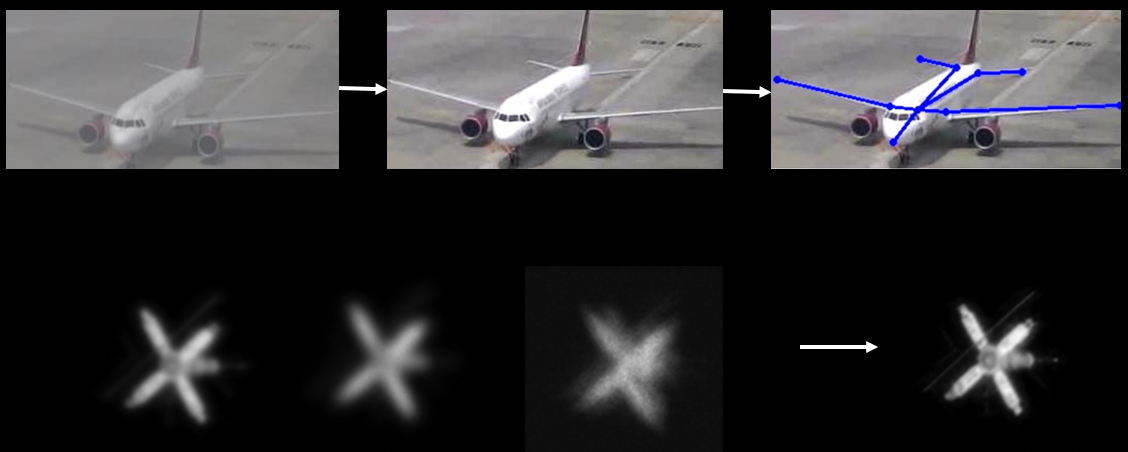
Multi View Fusion Algorithm
By continuously synthesizing imagery from multiple spatially distributed vantage points, MUDRAH’s hive intelligence actively mitigates atmospheric turbulence and blurring, effectively extending the useful surveillance range far beyond what any single sensor could achieve. This multi-view fusion approach combines slightly different perspectives of the same scene to reconstruct fine spatial details that would otherwise be lost to optical distortion, dramatically increasing effective resolution across the entire coverage area. The resulting high-fidelity thermal and near-infrared imagery enables the system’s AI pipelines to detect, track, and classify objects—including small, low-contrast, or fast-moving threats—at significantly greater distances and with far higher confidence than conventional monostatic sensors, ensuring no target escapes identification.
Low profile architecture
MUDRAH leverages its low-profile, minimally observable design, lightweight construction, and ultra-low power consumption as key strengths. These attributes form the foundation for deploying a high-density nodal network, enabling unparalleled surveillance performance.
The Falcon – Autonomous Navigation
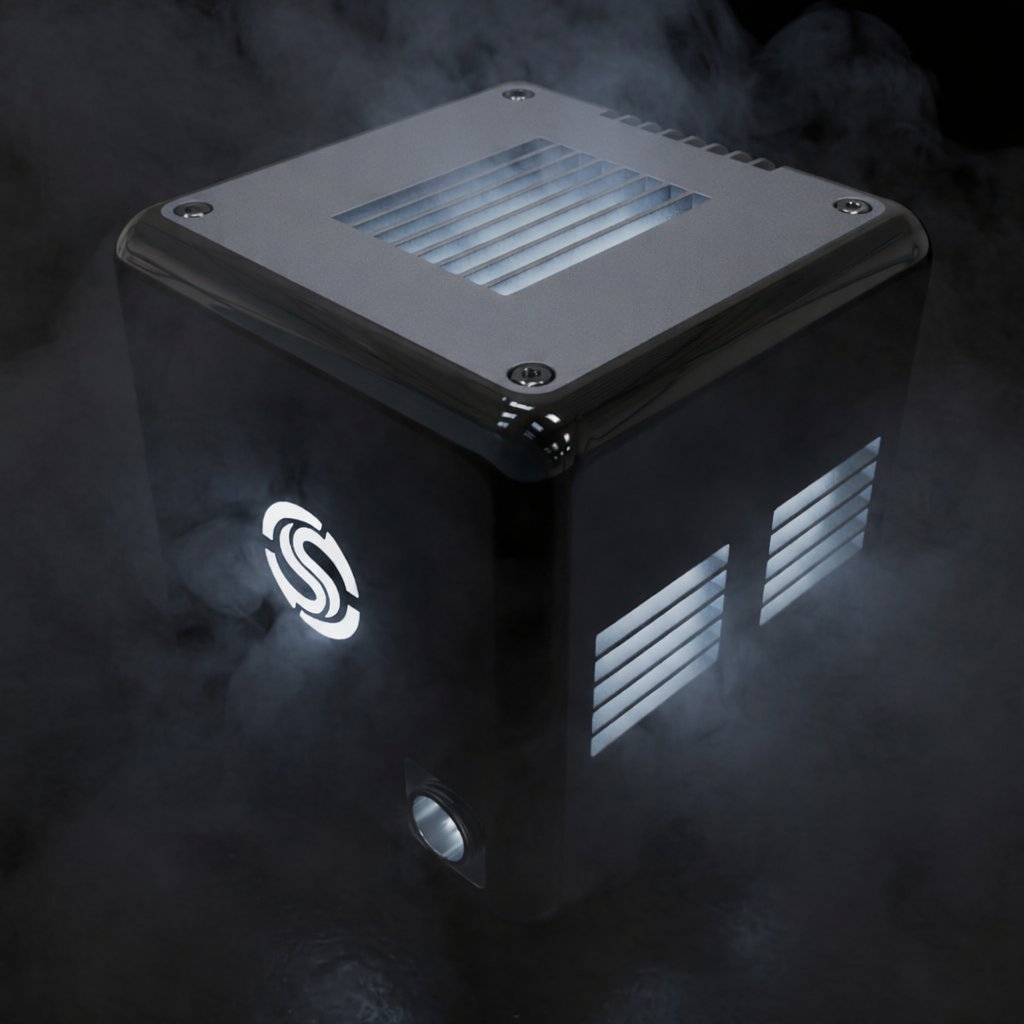
The Falke is a self-contained navigation system for aerial vehicles, designed to operate reliably even without GPS. Layered integrated Edge AI ensures smooth and accurate navigation—whether flying through urban canyons, remote areas, or environments where GPS signals are blocked or unreliable. It’s built for autonomy, allowing drones and other aerial platforms to maintain their course, avoid obstacles, and reach their destination confidently, no matter the conditions.
Navigation in GPS-denied environments
This device achieves high positional accuracy without relying on GPS or terrain data, using innovative techniques to maintain precise navigation in any environment.
The Falke relies on Virtual IMU Array Architecture with Layered, Onboard Edge AI
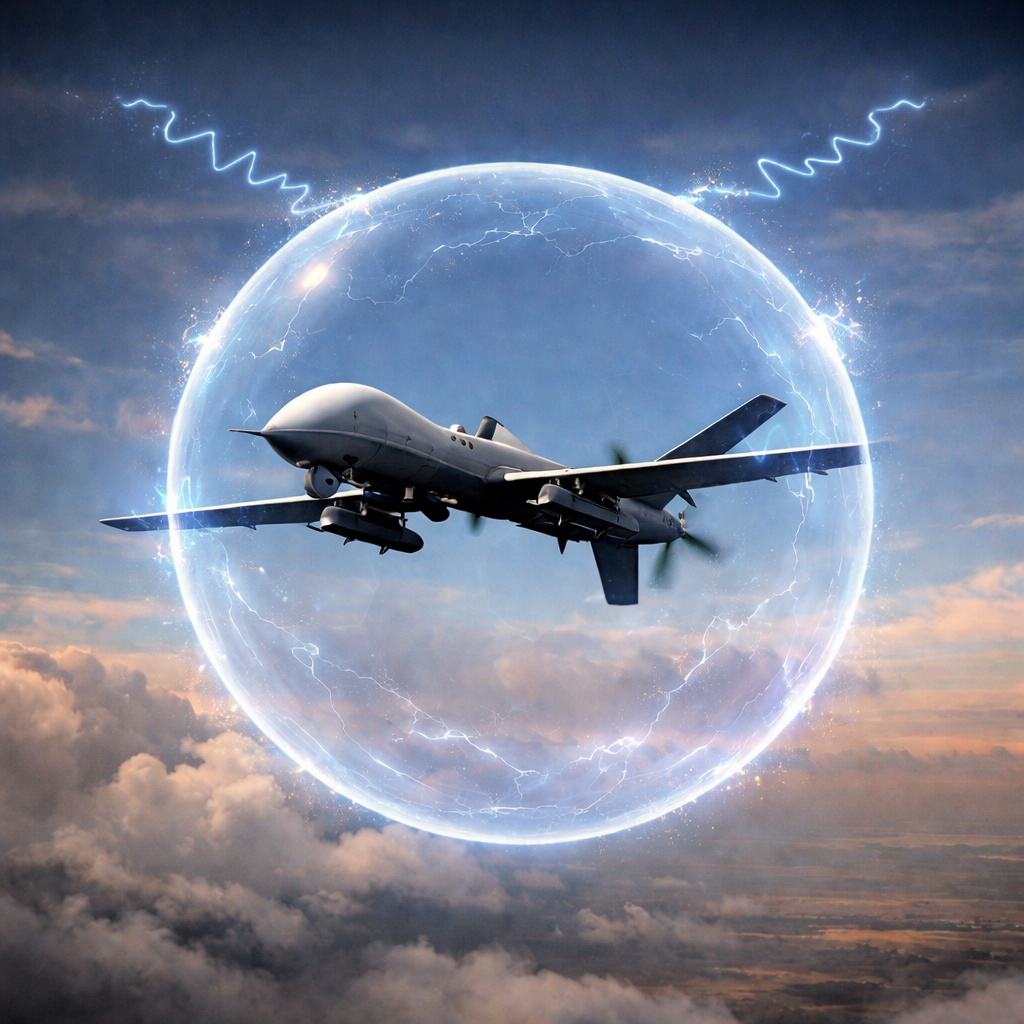
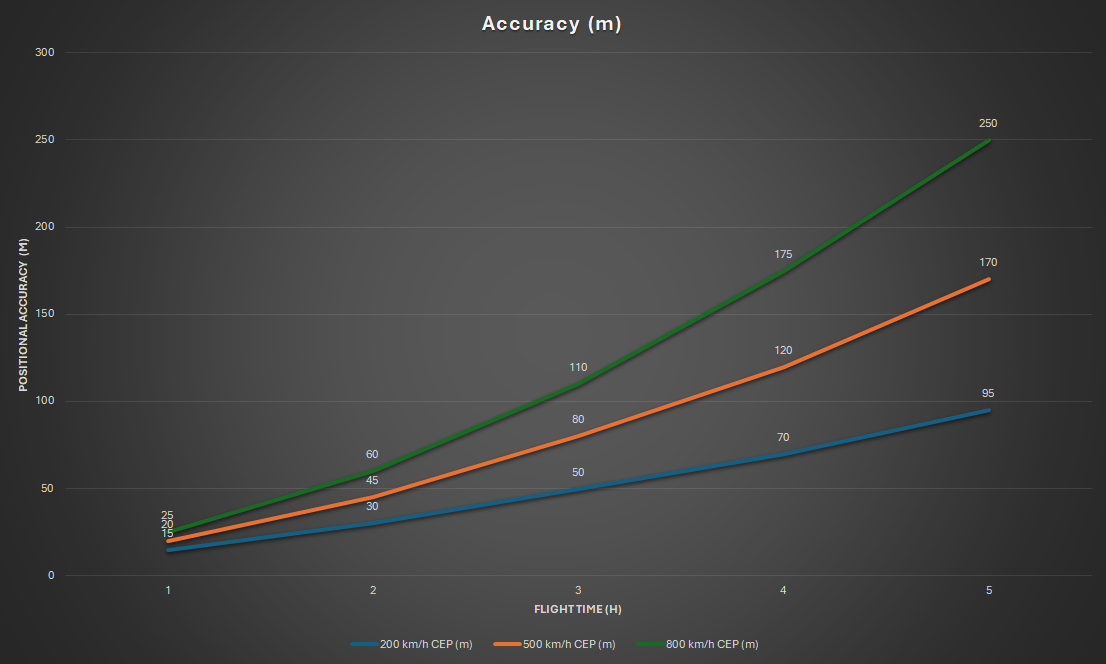
Sustained navigational accuracy without GPS
Even at high air speeds, accuracy of The Falke can be sustained for prolonger periods.